By Jake Morrison · 2026-06-20

2026 Primary Election Markets on Kalshi: Source-Backed Watchlist

2026 Primary Election Markets on Kalshi: Source-Backed Watchlist

Every midterm cycle, I tell myself I'll start paying attention to primaries earlier. And every cycle, I end up scrambling to understand the landscape three weeks before filing deadlines. This time I'm trying something different. The 2026 primary election markets on Kalshi are starting to take shape, and I want to map out what's tradeable before the real volatility kicks in.

Source-backed answer: As of June 20, 2026, this page is a static watchlist, not a live odds tracker or a claim that any specific 2026 primary ticker is active. Current availability and prices must come from Kalshi directly. The election context I would anchor to before trading: U.S. Senate Class II terms end on January 3, 2027, every House seat is normally on the 2026 ballot, and primary filing calendars can change state by state.

Primary sources I checked: Kalshi's U.S. elections markets page for current political offerings, the CFTC designation of KalshiEX as a contract market for regulatory context, the U.S. Senate Class II list for 2026 Senate-cycle context, the FEC 2026 primary dates PDF, and the NCSL 2026 filing-deadline summary.

Why 2026 Primaries Matter for Prediction Markets

Midterm primaries don't get the same attention as presidential races, but they can move just as hard. Incumbent retirements, redistricting fallout, and surprise challengers create information asymmetries that general elections rarely offer. If you caught the right Senate primary in 2022, you know what I mean.

The 2026 cycle has a few structural features worth tracking:

Kalshi has been expanding its political market coverage steadily. I expect 2026 primary election markets on Kalshi to appear only when the exchange has a clear contract, a clear settlement source, and enough trader interest. That is a reason to prepare, not a reason to assume a specific market already exists.

What Kalshi Primary Markets Typically Look Like

Based on past cycles, Kalshi structures political markets around binary outcomes. You're not betting on vote shares. You're betting on questions like "Will Candidate X win the Republican primary in State Y?" The contract pays out $1 if yes, $0 if no. You buy at whatever price the market sets, which reflects the implied probability.

For primaries specifically, contracts tend to appear in a few formats:

I haven't seen 2026-specific primary tickers live yet as of this writing, so check Kalshi directly for current availability. Markets typically launch as races become more defined, usually after major candidates announce or filing deadlines pass.

Key 2026 Races Worth Watching

I'm keeping a shortlist of races where primary markets could get interesting. This isn't exhaustive, just where I'm directing my attention.

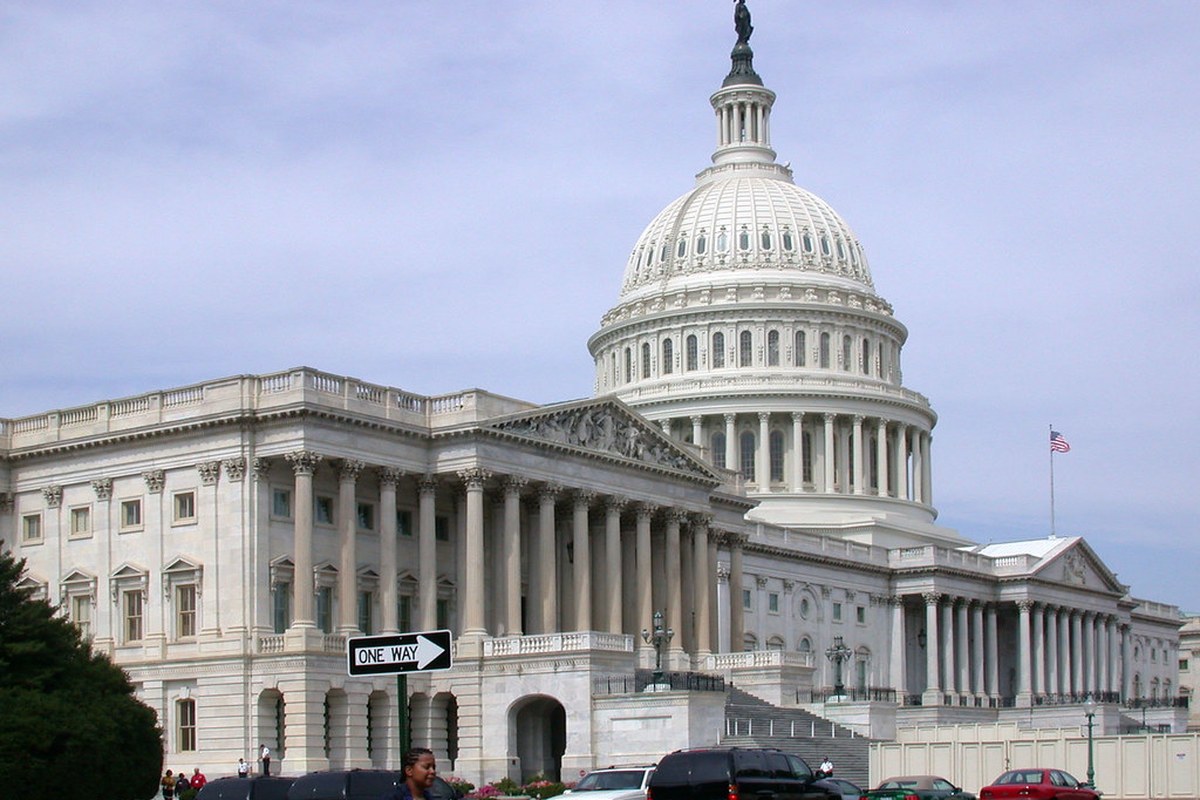
2026 Primary Election Markets on Kalshi: Source-Backed Watchlist - us capitol building (photo 1)

Senate Primaries

The Senate watchlist starts with Class II states where the primary electorate is factional, the incumbent picture changes, or local polling is sparse. I would rather rank these from official filings, incumbent announcements, primary calendars, and local reporting than from one national hot-take list.

Gubernatorial Primaries

Gubernatorial primaries are worth watching when a term limit, retirement, open-seat announcement, or weak incumbent creates a real nomination fight. I am deliberately not treating Pennsylvania or any other state as open unless an official filing, state calendar, or incumbent announcement makes it so. These races often have less polling, which means market prices can drift further from fundamentals.

House Primaries in Redistricted Seats

Any seat that changed materially after redistricting, litigation, or a retirement is worth monitoring. Incumbent vs. incumbent primaries are rare, but they can become tradeable when the official candidate list and district map make the setup clear.

How I Approach Primary Election Markets

Primaries are strange because the information environment is so different from general elections. Less polling. Smaller electorates. Turnout models that can swing wildly based on a single local issue or endorsement. I've found a few habits useful:

I post occasional notes on races I'm tracking in the Telegram channel I run. Not calls, just observations when I see something interesting.

Kalshi vs. Other Platforms for 2026 Primaries

I used to trade political markets on Polymarket before the geofence pushed me off. The experience taught me that platform differences matter more than people think.

Kalshi is CFTC-regulated, which means USD settlement, identity verification, and a different compliance structure than offshore or crypto-native platforms. For me, that's a feature. I don't want to think about custody risk or stablecoin depegging when I'm trying to price a Georgia runoff.

Liquidity varies by market. Some Kalshi political contracts trade thin, especially early in the cycle. Others, particularly high-profile races, can have decent depth. Check the order book before assuming you can get size in or out at the screen price.

If you're comparing prices across platforms, do the work: different settlement criteria, different fee structures, different execution. A five-cent gap isn't an arbitrage if you can't actually trade both sides.

2026 Primary Election Markets on Kalshi: Source-Backed Watchlist - us capitol building dome (photo 2)

What to Do Now

The 2026 primary election markets on Kalshi are still in early stages. Most specific contracts may not be live until candidates announce, filing deadlines pass, and the races take shape. But that's exactly when the preparation matters.

My checklist for the next few months:

By the time markets are liquid and prices are tight, the easy mispricings are usually gone. The edge, if there is one, comes from showing up early with better context.

Frequently Asked Questions

When do 2026 primary election markets on Kalshi typically go live?

I do not know until Kalshi lists the contract. For primaries, I would expect the cleanest markets after major candidates announce, state filing deadlines pass, and the settlement source is clear. Check Kalshi directly instead of relying on a static article for live availability.

How does Kalshi settle primary election contracts?

Read the contract rules before trading. A primary contract should name the official source or process that decides settlement. In states with runoff rules, recounts, ranked-choice systems, or certification delays, the exact contract language matters more than a generic blog summary.

Can I trade Kalshi primary markets from outside the United States?

Kalshi is accessible internationally, subject to their Member Agreement, restricted jurisdiction lists, identity verification requirements, and your local laws. It's not US-only, but some countries are excluded. Check Kalshi's eligibility requirements and consult local regulations if you're unsure about your jurisdiction.

What fees does Kalshi charge on political market trades?

Kalshi's Feb. 5, 2026 fee schedule says yes/no trades use round up(0.07 x C x P x (1-P)), where C is contract count and P is price. Check Kalshi's current fee schedule before trading because fees can change and they matter on tight political spreads.

Not financial advice. I trade my own money and you can lose yours. Do your own research.

Want the live channel? I post trade ideas and quick takes on Kalshi markets at @Kalshi_market. Free, no signup, no upsell.